

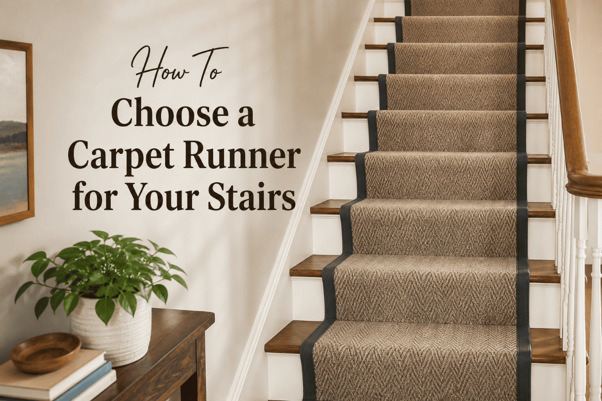
Stairs are one of the busiest parts of a home. A well-chosen Carpet runner for stairs can add warmth, style, and comfort while giving each step a soft walking path. The right runner should match your home’s look, handle daily foot traffic, and fit the staircase with care.
Choosing one involves more than picking a color you like. Fiber type, runner width, pattern, padding, measurements, and installation all matter. With a few simple tips, you can find a stair runner that looks great and works well for your home.
What Should You Look For in a Stair Runner?
A stair runner needs to handle regular use while keeping its shape and appearance. Start by thinking about how your stairs are used each day. A busy staircase needs a strong fiber and a secure fit.
- Fiber: Wool, nylon, and synthetic fibers each offer different benefits.
- Width: The runner should leave a neat strip of exposed stair on both sides.
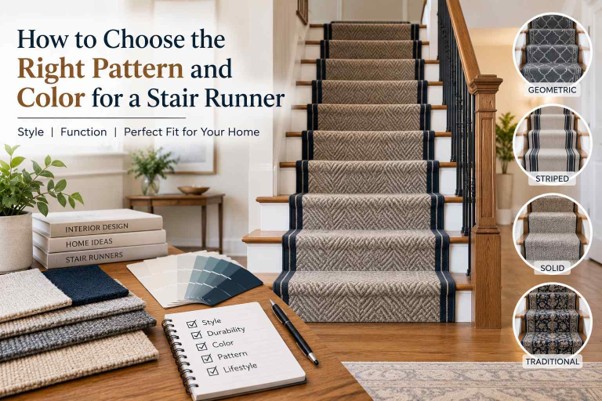
- Pattern: Stripes, small prints, and solid colors create different looks.
- Padding: A good pad adds softness and helps the runner feel comfortable.
- Installation: A precise fit helps the runner follow each step smoothly.
Your flooring, wall color, railings, and nearby furniture can guide the design. A classic home can suit a soft neutral runner, while a modern space can support bold stripes or simple geometric patterns.
How To Choose a Carpet Runner for Stairs
The best selection starts with the stair itself. Look at the tread depth, riser height, staircase shape, and available width. Straight stairs are simple to plan, while curved or winding stairs need closer attention.
Next, consider the fiber. A Wool stair runner brings a soft, rich feel and a timeless look. Wool fibers can handle regular use while adding warmth underfoot.
A Nylon stair runner offers another strong choice for busy staircases. Nylon is known for its strength and good resistance to daily wear. It comes in many colors, patterns, and textures, making it easy to match different interiors.
A Synthetic stair runner can provide another practical route. Synthetic fibers come in a wide range of styles and can suit homes looking for easy care and lasting performance.
Read More :- The Best Materials For a Stair Runner
Carpet Runner Materials Compared
Each fiber has its own feel and purpose. Use the table below as a quick guide before making your selection.
| Runner Type | Key Benefit | Best For | Style |
| Wool | Soft feel and natural beauty | Classic and upscale homes | Rich and timeless |
| Nylon | Strong and resilient | Busy staircases | Wide range |
| Synthetic | Easy care and style variety | Active households | Flexible |
| Wool Blend | Balanced feel and strength | Mixed-use areas | Versatile |
Think about the full staircase, not just the runner sample. A color can look different under natural light than it does inside a store.
How Much Runner Width Do You Need?
Width affects both appearance and balance. A runner should cover the main walking area while leaving some stair material visible on each side. A common design approach leaves around 3 to 4 inches of exposed stair on either side. However, the exact width depends on the staircase and the look you want.
Before buying, measure the stair width from side to side. Then decide how much border you want to show. A wider staircase gives you more room to adjust the proportions.
How to Measure Stairs for a Carpet Runner
Good measurements help prevent waste and support a clean installation. Measure each tread and riser rather than guessing from the number of stairs.
For straight stairs, measure the tread depth and riser height. Add these measurements together for one step. Multiply the result by the number of steps. Include extra material for the top landing, bottom area, and installation requirements.
Curved stairs need more detailed measurements. Each section can have a different shape or angle.
If you are unsure how to measure stairs for a carpet runner, professional measuring can give you a more precise starting point. Accurate numbers help you order the right amount of carpet and plan the layout.
Which Carpet Runner Is Most Durable?
Durability depends on both the fiber and the carpet construction. A dense carpet with strong fibers can handle repeated foot traffic and keep its appearance for a long time.
Nylon is a popular choice for active staircases due to its strength. Wool provides a durable natural fiber with a premium feel. Synthetic fibers can offer dependable performance in a range of styles.
Look beyond fiber alone. Check the carpet’s density, pile height, and construction. A low or medium pile can work well on stairs since it creates a neat profile and supports secure fitting. For the best carpet runner for stairs, consider the home’s traffic level, cleaning needs, design, and staircase shape together.
Wool or Nylon: Which One Should You Pick?
Wool and nylon both bring useful qualities to a stair project. Your choice depends on the feel and performance you want.
A Wool stair runner works well for homeowners who like natural fibers and a soft, classic appearance. Wool can bring texture and depth to a staircase.
A Nylon stair runner suits homes where strength and easy care are key priorities. Nylon comes in numerous colors and patterns, so you can create anything from a quiet look to a bold statement.
There is no single fiber for every home. Compare samples in your own lighting before making the final choice.
Should Stair Runners Have Padding?
Padding gives the runner a softer feel underfoot. It can add comfort while helping the carpet maintain its shape during daily use.
Choose padding made for stair applications. A pad should support the runner without being so thick that it affects the fit. The correct thickness depends on the runner and installation method. Good padding can improve the feel of the staircase and give the finished project a more polished appearance.
Is Professional Installation Worth Considering?
Stairs have several edges, corners, and transitions. A runner needs to follow each section neatly. Proper fitting helps create clean lines from the first step to the last.
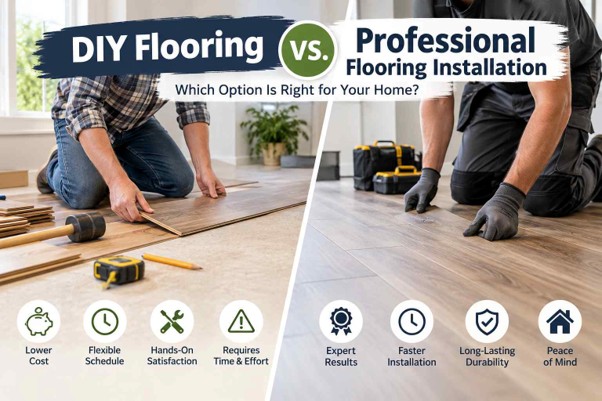
Professional stair runner installation includes careful measuring, layout planning, cutting, securing, and finishing. Experienced installers understand how carpet should follow stair contours while keeping the design aligned.
Diamond Floors of South Carolina brings certified Flooring experts who understand flooring products and installation details. Their knowledge can help homeowners choose a runner suited to the staircase and overall interior.
Moreover, our quality Carpet installation leaves the runner secure, neat, and comfortable underfoot.
How Much Does It Cost To Install A Carpet Runner On Stairs?
The price depends on several factors. Runner material, staircase size, shape, labor, padding, and installation method all affect the final amount.
Straight stairs can have a simpler installation process. Curved or angled staircases require more measuring and careful cutting. Premium fibers can increase material costs, while detailed patterns can require extra planning.
The best answer comes from measuring the staircase and selecting the carpet first. A flooring professional can then provide a project-specific estimate.
Finding the Best Stair Runner for Your Home
The Best stair runner for your home should bring together comfort, durability, design, and proper sizing. Start with your staircase measurements. Then compare fibers and patterns. Think about the surrounding flooring, paint, trim, and furniture. A runner should feel like part of the home’s design rather than an added piece.
If you prefer a natural finish, wool can be a strong fit. Nylon works well for active areas, while synthetic fibers offer plenty of design flexibility.
For homeowners comparing carpet runners for stairs, samples can make the decision easier. Place a few choices near the staircase and view them at different times of day.
Upgrade Your Stairs With a Beautiful Carpet Finish
A stair runner can change the feel of an entire hallway. The right fiber, pattern, width, padding, and installation method create a finished look built around your home.
Diamond Floors of South Carolina offers custom stair runner options and professional installation to create a clean, stylish look from the first step to the last. Explore carpet styles, compare materials, and discuss your staircase measurements with experienced floor installation experts.
A beautiful staircase starts with the right runner. Take the next step with a design that brings comfort, character, and lasting appeal into your home.
Frequently Asked Questions
Q1: What type of carpet runner is best for stairs?
The best runner depends on traffic, style, and care needs. Wool offers natural softness, nylon provides strong performance, and synthetic fibers give you broad design choices with simple care.
Q2: How wide should a carpet runner be on stairs?
A stair runner commonly leaves about 3 to 4 inches of exposed stair on each side. The ideal width depends on your staircase dimensions, design preference, and the visual balance you want.
Q3: How do you measure stairs for a carpet runner?
Measure each tread depth and riser height, then add them together. Multiply the total by the number of stairs. Include extra material for landings, finishing, and installation requirements.
Q4: What is the most durable carpet runner for stairs?
Nylon is a strong choice for busy staircases due to its durable fiber. Wool and quality synthetic carpets can provide lasting performance too, depending on construction, density, and daily foot traffic.
Q5: Is wool or nylon better for a stair runner?
Wool suits homeowners who want a natural fiber with a soft, classic feel. Nylon provides strong performance and broad design choices. Compare both based on traffic, style, comfort, and care preferences.
Q6: Should a stair runner have padding?
Yes, suitable padding can improve comfort and provide support under the runner. Choose a stair-rated pad with the correct thickness for your carpet and installation method to achieve a secure, polished finish.
Q7: Are carpet runners on stairs safer?
A properly installed runner can provide a comfortable walking path with added traction underfoot. Secure fitting matters, so professional installation should include careful fastening and attention to every tread and riser.

O.K. Van Slett is the Owner of Diamond Floors of South Carolina, a family-owned flooring company founded in 1995. Built on a commitment to quality craftsmanship, exceptional value, and personalized service, O.K. continues the company’s mission of helping homeowners and businesses make confident flooring decisions. Drawing on years of hands-on experience, he shares practical insights on hardwood, luxury vinyl plank (LVP), laminate, tile, carpet, and professional installation. His articles are designed to educate readers with trusted, experience-based guidance on selecting, installing, and maintaining quality flooring for lasting performance and beauty.