

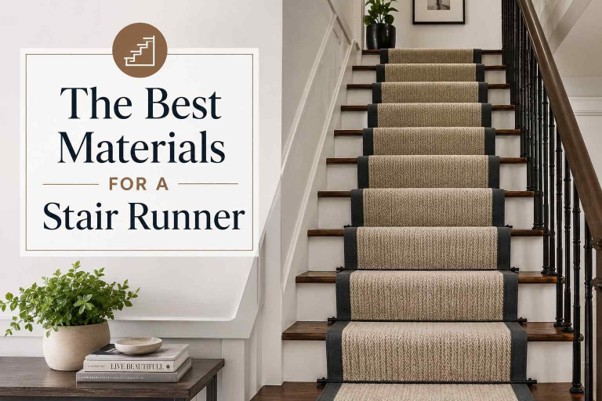
A stair runner does two jobs at once. It gives stairs a finished look and creates a softer path for daily foot traffic. The right material also supports safe movement and helps protect stair surfaces from wear. For homeowners planning a new runner, choosing the Best Stair Runner Material starts with understanding how wool, nylon, polyester, and blended fibers perform in a real home.
At Diamond Floors of South Carolina, we look at the stair layout, flooring, traffic level, home style, and care needs before recommending a runner. A good choice should fit the space and support daily use for years.
Why Does Stair Runner Material Matter?
Stairs receive steady foot traffic. Family members, guests, children, and pets all use them throughout the day. Each step also receives pressure in a small area, so the runner needs a strong fiber and a suitable weave.
Material affects several key features:
- 1. Durability
- 2. Stain resistance
- 3. Cleaning needs
- 4. Texture
- 5. Appearance
- 6. Noise control
- 7. Long-term wear
- 8. Overall fit with the home
A Stair Runner Material Comparison makes the choice much easier. Instead of picking a runner based only on color, homeowners can review how each fiber works for their space.
Read More : Top 10 Common Laminate Flooring Myths Debunked
Wool Stair Runners
Wool has long been valued for stair runners. It offers a soft feel, rich texture, and a classic look. Wool fibers also have natural strength, making them a strong fit for stair areas with steady use.
Wool has another useful quality. Its fibers have a natural structure that helps hide small marks and changes in texture. With proper care, a wool runner keeps its refined look for a long time.
For homes with a traditional, classic, or upscale design, wool offers a polished finish. It also works well with hardwood stairs and other fine flooring materials.
Homeowners asking How long do stair runners last? should know that the answer depends on fiber quality, traffic, installation, cleaning, and care. A well-made wool runner with proper care often offers a long service life.
Nylon Stair Runners
Nylon is a strong option for active homes. It has good resistance to wear and handles repeated foot traffic well. For staircases used throughout the day, nylon offers a practical balance between performance and easy care.
Nylon also comes in many colors, patterns, and textures. This gives homeowners plenty of room to match the runner with walls, furniture, and flooring.
For a busy staircase, a quality nylon product often ranks among the best stair runners for high-traffic stairs. It also works well for families who want a runner with a clean, neat appearance.
Polyester Stair Runners
Polyester offers another useful choice. It is known for its soft feel and wide range of colors and patterns. Modern polyester fibers also offer good stain resistance, making them useful for homes where spills and daily messes are part of life.
A polyester runner works well when appearance and simple upkeep matter. It suits bedrooms, guest areas, and staircases with moderate traffic.
For families considering the Best stair runner for children, the material should match the home’s daily activity. A stain-resistant fiber with a practical pattern gives families a useful mix of style and easy care.
Wool vs. Synthetic Materials
Wool, nylon, and polyester each bring different strengths. The right pick depends on how the stairs are used and what matters most to the homeowner.
| Material | Main Strength | Best Fit | Care |
| Wool | Natural strength and rich texture | Classic and refined homes | Regular vacuuming and professional care |
| Nylon | Strong wear resistance | Busy staircases | Simple routine cleaning |
| Polyester | Soft feel and stain resistance | Moderate traffic and family spaces | Easy routine care |
| Wool Blend | Balanced performance | Versatile home designs | Depends on fiber mix |
This Stair Runner Material Comparison shows why one material does not fit every home. A professional review helps narrow the choices based on actual use.
How Do You Choose the Right Stair Runner?
Choosing the right stair runner starts with the staircase itself. Measure the steps, review the floor underneath, and consider how often the stairs receive foot traffic. Next, think about the people using the stairs. Homes with children and pets need a runner suited to active daily use. A quieter household might place greater focus on texture, color, or design.
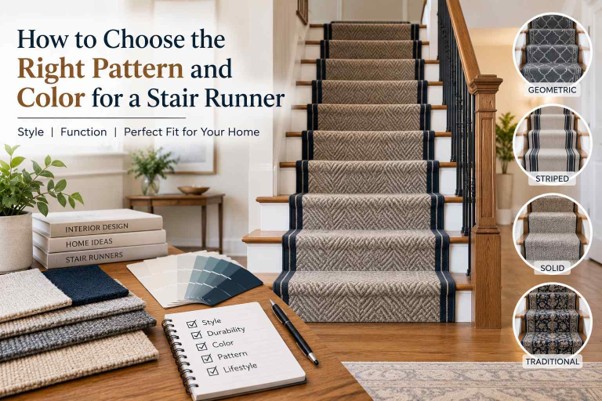
Pattern also matters. A small pattern helps create visual interest while giving the stairs a finished look. Solid runners create a clean and simple appearance. Darker patterns often work well for active areas, while lighter designs suit spaces with a calm, open look.
The best custom stair runner for homes should match the home’s flooring and overall design. A custom fit helps the runner follow the shape of the staircase and creates a neat finished edge.
What Is the Best Runner for High-Traffic Stairs?
The best stair runner for high-traffic stairs should have strong fibers and a construction suited to repeated use. Nylon is a strong candidate for active homes. Wool also offers excellent fiber strength and a timeless appearance.
The weave matters, too. A tightly made runner gives the stairs a firm, finished surface. Proper installation also helps the runner maintain its shape through regular use.
Diamond Floors of South Carolina helps homeowners review these details before selecting a material. The goal is a runner suited to the staircase, not just a sample that looks good in a showroom.
Which Stair Runner Is Easiest to Clean?
Homeowners often ask, Which stair runner is easiest to clean? Nylon and polyester often offer simple care routines, especially when the product has good stain resistance. Regular vacuuming helps remove dirt before it works into the fibers. Prompt spot cleaning also keeps small spills from becoming harder to handle.
Wool needs thoughtful care, but its natural fiber structure gives it useful performance. Always follow the manufacturer’s care instructions and use cleaning methods suited to the selected material.
What Makes a Good Stair Runner for Children?
For a family home, the best stair runner for children should support safe movement while handling active use. A firm, well-installed runner gives each step a defined walking surface. Texture, pattern, and fiber strength also deserve attention. A practical pattern helps hide small signs of daily use, while a durable fiber supports regular traffic.
Professional fitting matters just as much as the material. A quality runner needs proper placement, secure attachment, and careful finishing around each step.
Does a Stair Runner Reduce Noise?
One useful question is: Do stair runners reduce noise? Yes, a runner helps soften the sound created by footsteps on hard stair surfaces. The fiber and padding absorb some of the impact, which creates a quieter feel as people move between floors.
Wool and dense synthetic runners both offer useful sound control. Padding also plays a key role. The right combination helps reduce the sharp sound of shoes against wood.
Why Professional Installation Matters
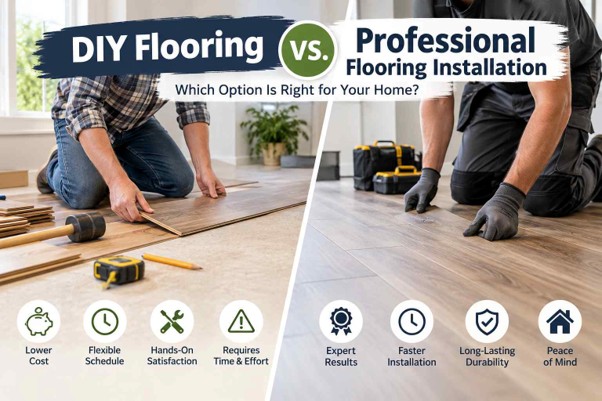
Even the finest runner needs skilled installation. Stairs have angles, edges, curves, and different dimensions. A small placement mistake can affect the finished look. A professional installer measures each section, plans the runner layout, and secures the material with care. The result should look neat from the first step to the last.
Diamond Floors of South Carolina provides stair runner installation services with close attention to fit, finish, and the existing flooring. As a Professional floor Installation company, Diamond Floors of South Carolina understands how stair runners fit into a larger flooring plan. A carefully fitted runner follows the staircase and creates a clean transition with surrounding floors.
Protecting Hardwood Stairs With a Runner
Hardwood stairs bring a classic look to a home. A runner helps create a layer between the wood surface and daily foot traffic. Proper installation also keeps the design neat and balanced.
Homeowners asking, “Can a stair runner improve safety while protecting hardwood stairs?” should consider the role of traction, secure fitting, and proper padding. A runner gives the foot a textile surface instead of bare hardwood.
The best Stair Runner Material should suit both the hardwood and the level of use. Wool, nylon, polyester, and blends each offer useful qualities. Diamond Floors of South Carolina helps homeowners review the options and select a suitable material.
How Long Do Stair Runners Last?
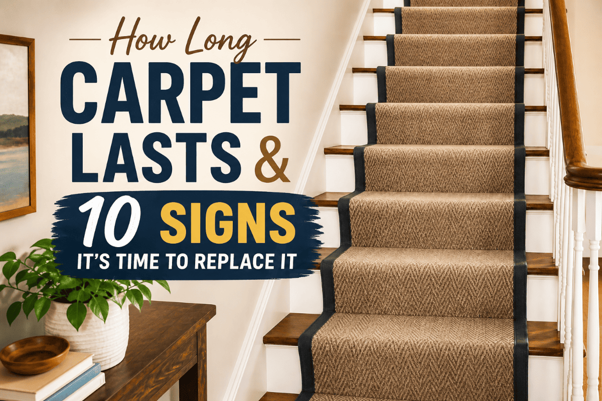
There is no single number for every home. Service life depends on the material, fiber quality, traffic, installation, cleaning, and care. A runner in a quiet home may face less daily wear than one on the main staircase. High-quality fibers, proper installation, and routine care all support longer use.
A Stair Runner Material Comparison can help homeowners understand expected performance before making a selection. Looking at the whole picture makes the decision more useful.
Read More : How to Choose the Right Carpet for Every Room
Find the Right Stair Runner for Your Home
The right stair runner should fit the staircase, suit the home’s design, and handle everyday use with ease. Wool offers natural strength and classic texture. Nylon brings strong wear resistance. Polyester offers soft texture and useful stain resistance.
Your staircase deserves a careful plan from material selection through installation. Diamond Floors of South Carolina brings flooring knowledge and professional installation experience to every project.
If you are planning a new runner, contact Diamond Floors of South Carolina to discuss your staircase, flooring style, traffic needs, and design goals. Let our team help you find a runner material and finish suited to your home.
Create a Staircase With a Finished Look
A stair runner brings together design, function, and floor protection in one thoughtful upgrade. From wool and nylon to polyester and custom blends, each material offers useful benefits for different homes.
Diamond Floors of South Carolina can guide you through choosing a stair runner, review the best Stair Runner Material for your needs, and provide professional Stair Runner Installation service. Contact Diamond Floors of South Carolina today to plan a stair runner designed to suit your home and everyday life.
Frequently Asked Questions
Q1: What is the best material for a stair runner in a busy household?
Nylon is a strong choice for a busy household. It handles repeated foot traffic well and offers simple care. Wool also performs well, especially for homeowners who value natural fibers and a classic finish.
Q2: How do I choose the right stair runner material for my home?
Start with traffic, household needs, design, and cleaning preferences. Review wool, nylon, polyester, and blends. Then consider the staircase shape, existing flooring, and installation method before making your final selection.
Q3: Which stair runner material is the most durable and easiest to maintain?
Nylon offers a strong mix of durability and simple maintenance. It suits active staircases and regular foot traffic. Quality construction, proper installation, routine vacuuming, and suitable cleaning also support long-term performance.
Q4: Are wool stair runners better than synthetic materials like nylon or polyester?
Wool offers natural strength, rich texture, and a classic look. Nylon provides strong wear resistance, while polyester offers soft texture and stain resistance. The best option depends on traffic, design goals, and care needs.
Q5: Can a stair runner improve safety while protecting hardwood stairs?
A properly installed stair runner provides a textile walking surface with added traction. It also creates a layer between daily foot traffic and hardwood. Secure fitting and suitable padding support safe, stable use.

O.K. Van Slett is the Owner of Diamond Floors of South Carolina, a family-owned flooring company founded in 1995. Built on a commitment to quality craftsmanship, exceptional value, and personalized service, O.K. continues the company’s mission of helping homeowners and businesses make confident flooring decisions. Drawing on years of hands-on experience, he shares practical insights on hardwood, luxury vinyl plank (LVP), laminate, tile, carpet, and professional installation. His articles are designed to educate readers with trusted, experience-based guidance on selecting, installing, and maintaining quality flooring for lasting performance and beauty.